Whether it is a manufacturing unit, warehouse, workshop, or storage facility, choosing the right construction system can make a significant difference to the project.
Steel structure sheds have become a practical option for many industrial applications because they offer design flexibility, efficient construction, and adaptable layouts. With proper planning and engineering, they can meet the requirements of businesses across different industries.
For companies planning a new facility, understanding the benefits of steel sheds can help them make a more informed construction decision.
Why Are Steel Structure Sheds Suitable for Industrial Projects?
Industrial buildings often have different requirements from ordinary commercial spaces. They may need to accommodate heavy machinery, large storage areas, loading and unloading operations, or specialised production equipment.
A well-designed Steel Structure Shed can be planned around these specific needs. Its dimensions, roof design, internal clear space, and access points can be customised according to the intended application.
Steel sheds are commonly used for:
- Manufacturing and production units
- Industrial warehouses and storage facilities
- Engineering workshops
- Logistics and distribution centres
- Agricultural storage buildings
- Equipment shelters and maintenance facilities
The final design should always reflect the building’s intended use, site conditions, local building regulations, and structural loading requirements.
1. Strong and Reliable Construction
Strength is one of the main reasons businesses consider steel for industrial buildings. Steel has a high strength-to-weight ratio and well-established engineering properties, making it suitable for a wide range of structural applications.
When designed and fabricated according to appropriate engineering standards, steel structures can provide reliable support for industrial activities. The design must account for wind loads, roof loads, equipment requirements, and seismic considerations where applicable.
Material quality, connection detailing, corrosion protection, and professional installation are equally important for long-term structural performance.
2. Efficient Use of Industrial Space
Space plays an important role in industrial productivity. Factories need room for production lines, while warehouses require clear areas for storage racks, forklifts, and material movement.
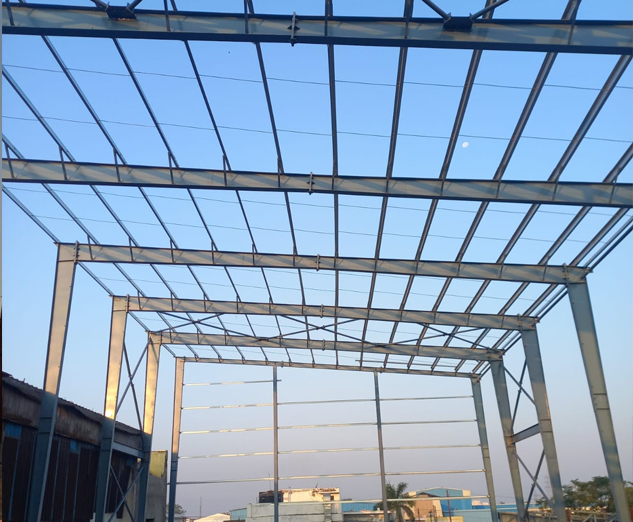
Steel construction can accommodate wide spans and open internal layouts, depending on the structural design. This can help businesses organise their workspaces without unnecessary internal obstructions.
A thoughtfully planned layout may also improve access for workers, equipment, and delivery vehicles. Before construction begins, businesses should consider machinery placement, movement routes, loading areas, and future operational needs.
3. Faster and More Organised Construction
Project timelines matter when businesses are preparing to start operations or expand an existing facility. Delays in construction can affect equipment installation, workforce planning, and production schedules.
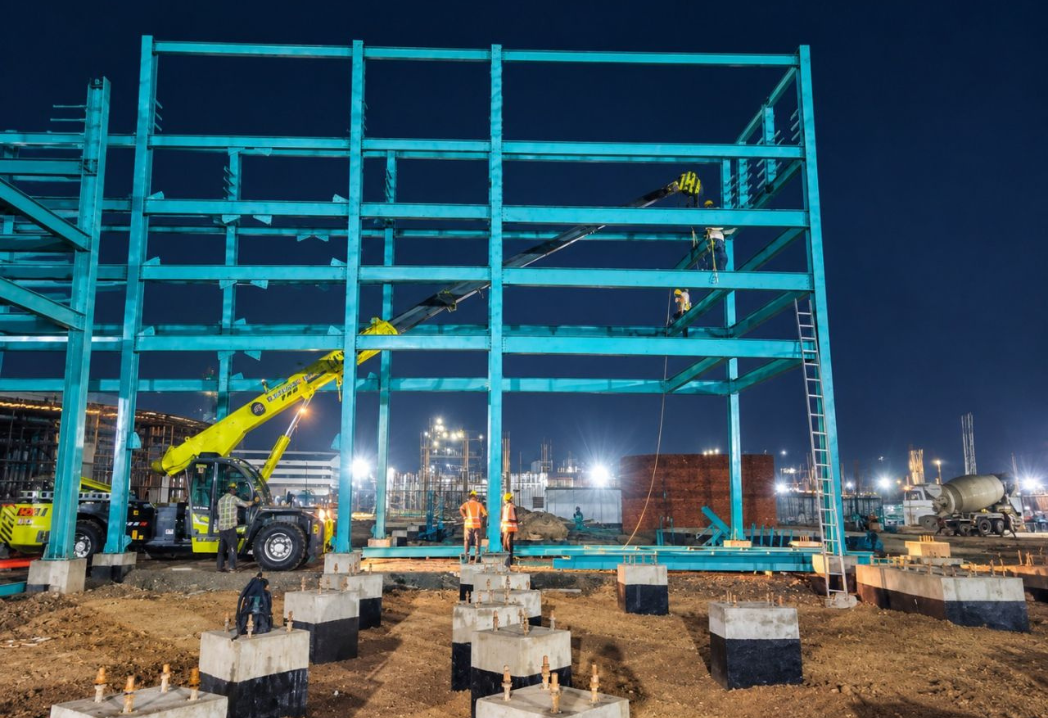
Steel components can often be fabricated off-site while foundation and site preparation work takes place. Once the site is ready, the components can be transported and assembled according to the approved construction plan.
This approach may help streamline project execution, although the actual timeline depends on design complexity, material availability, weather, site readiness, and installation requirements.
For businesses seeking a Steel Structure Building Supplier, it is worth discussing the complete project schedule, including design approvals, fabrication, transportation, and erection.
4. Flexible Design for Different Industries
Not every industrial building serves the same purpose. A food processing unit may require different ventilation and insulation arrangements from an engineering workshop or a distribution warehouse.
One advantage of steel construction is its adaptability. Building dimensions, roof profiles, wall cladding, ventilation systems, and access arrangements can be selected according to project requirements.
For example, a warehouse may need large shutter openings and efficient loading access, while a manufacturing facility may require space for overhead cranes or specialised machinery.
A suitable design begins with a clear understanding of how the building will be used every day.
5. Support for Future Business Expansion
Business requirements can change over time. A company may introduce new machinery, increase production capacity, or require additional storage space as its operations grow.
Planning for possible expansion during the initial design stage can make future changes easier to assess. Depending on the original design and site conditions, a steel building may allow extensions or modifications.
However, additional loads or structural alterations should never be introduced without a proper engineering assessment. Existing foundations, columns, connections, and other structural components must be checked before any expansion work begins.
6. Practical Roofing and Cladding Options
Roofing and wall cladding influence a building’s weather protection, indoor comfort, maintenance needs, and suitability for different industrial activities.
Depending on the application, a steel shed may use metal roofing sheets, insulated panels, wall cladding, skylights, or other compatible building components.
The right choice depends on local climate, rainfall, temperature, insulation requirements, and the nature of the work carried out inside the facility.
Proper drainage, ventilation, and condensation control should also be considered during the design stage. These details help create a more functional industrial environment.
How to Choose the Right Steel Structure Manufacturers in India
Selecting the right manufacturing and construction partner is just as important as selecting the building design. Businesses should evaluate technical expertise, fabrication quality, project coordination, and the ability to meet agreed specifications.
When comparing Steel Structure Manufacturers India, consider the following points.
Review Previous Project Experience
Ask whether the manufacturer has experience with similar industrial buildings. A supplier familiar with warehouses may have relevant capabilities, but a facility requiring specialised equipment or large clear spans may need additional technical expertise.
Review completed projects, fabrication capabilities, and experience with the intended building application.
Check Engineering and Quality Standards
A reliable project requires accurate structural calculations, suitable material specifications, detailed drawings, and quality checks during fabrication and installation.
Ask how the manufacturer handles inspection, welding quality, protective coatings, and project documentation. Confirm that the proposed design complies with applicable building codes and engineering requirements.