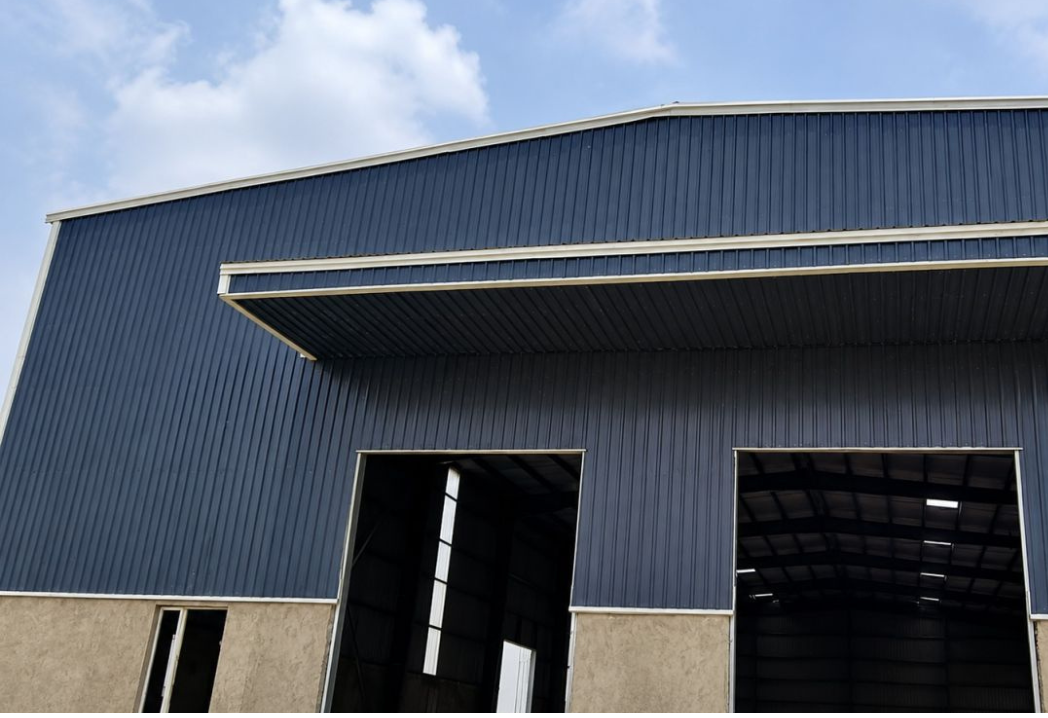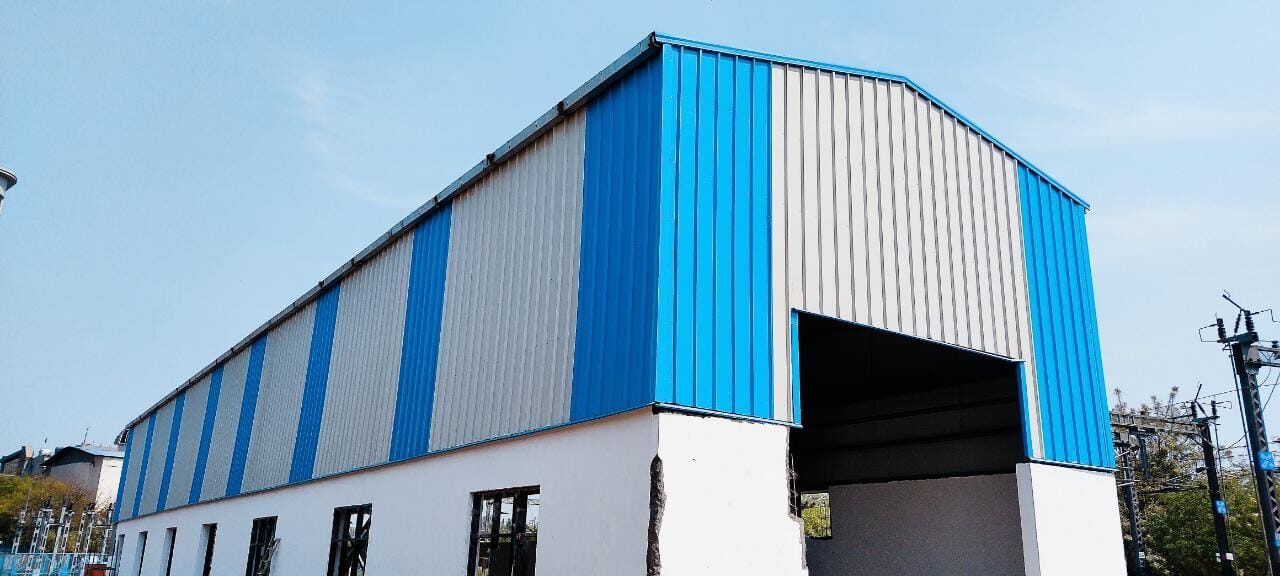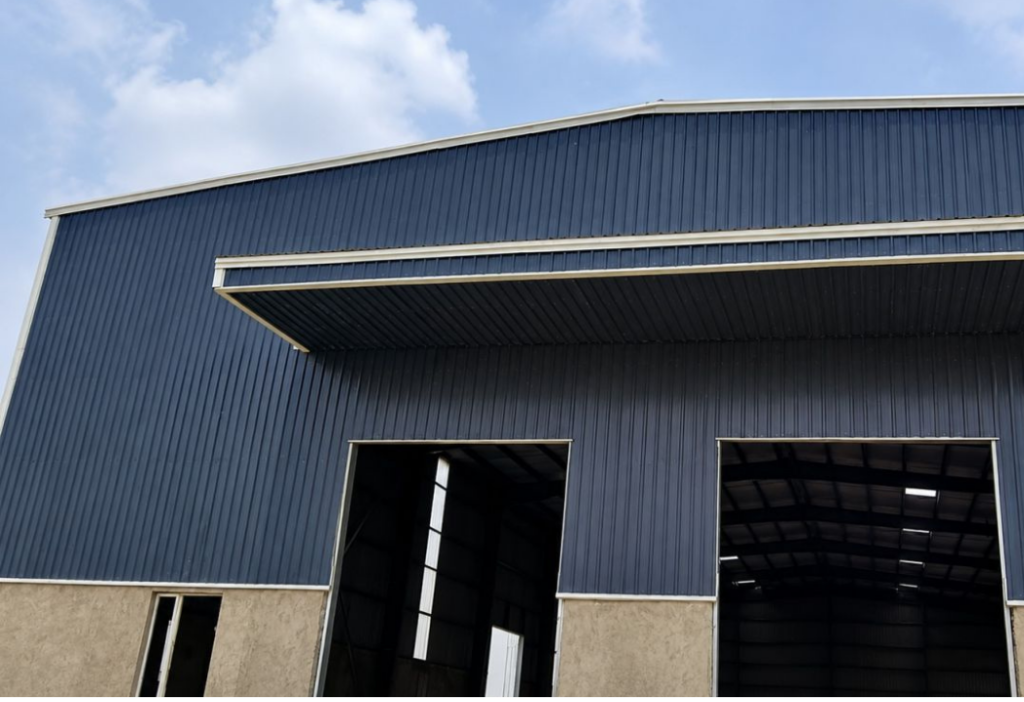
A prefab hangar is becoming a practical solution for aviation infrastructure because it offers structural strength, design flexibility, and faster construction compared to many traditional building methods. These structures are generally manufactured using pre-engineered steel components that are fabricated according to project requirements and assembled at the construction site.
Whether the requirement is for a small private aircraft facility or a large aircraft maintenance building, a properly designed prefab aircraft hangar can provide the space, accessibility, and structural performance needed for aviation operations.
What Is a Prefab Hangar?
A prefab hangar is a prefabricated building designed to accommodate aircraft for parking, storage, maintenance, inspection, and other aviation-related activities. Its major structural components are manufactured in a controlled factory environment and transported to the project location for installation.
Unlike conventional construction, where most structural work takes place at the site, prefabricated construction involves planning and manufacturing several components before they reach the installation location.
Steel is commonly used for these buildings because of its strength, durability, and ability to support large open spaces. The design can be customised according to aircraft dimensions, operational requirements, site conditions, and future expansion plans.
These hangars are suitable for different applications, including:
- Commercial airport aircraft storage
- Private aircraft parking facilities
- Aircraft maintenance and repair units
- Defence and military aviation facilities
- Helicopter storage buildings
- Aviation manufacturing and assembly facilities
Why Choose a Prefab Aircraft Hangar?
Choosing the right construction system is important when developing aviation infrastructure. An aircraft hangar must provide sufficient internal space, reliable structural support, and convenient access for aircraft movement.
A prefab aircraft hangar offers several practical advantages.
1. Faster Construction Process
One of the major advantages of prefabricated construction is that steel components can be manufactured while site preparation and foundation work are taking place.
This parallel process helps reduce the overall project timeline. Once the components are delivered, installation can begin according to the approved construction schedule.
For airport operators and aviation businesses working with tight project deadlines, this approach can make project execution more manageable.
2. Large Column-Free Spaces
Aircraft require sufficient space for parking, movement, and maintenance. Internal columns can restrict aircraft movement and reduce the usable floor area.
A properly engineered steel hangar can be designed with a wide clear-span structure, reducing the need for internal supporting columns.
This allows aircraft operators to use the available floor space more efficiently and plan their operations without unnecessary structural obstructions.
3. Customised Design Options
Every aircraft facility has different requirements. A hangar designed for a small private aircraft will have different dimensions and structural needs compared to a commercial aircraft maintenance facility.
A prefabricated structure can be customised based on:
- Aircraft wingspan and overall dimensions
- Required internal height and clear span
- Hangar door size and opening mechanism
- Roof and wall cladding requirements
- Ventilation and lighting arrangements
- Equipment and maintenance requirements
This flexibility helps create a building that supports the actual operational needs of the facility.
4. Efficient Material Utilisation
Steel components are manufactured according to approved engineering drawings and project specifications. This allows better planning of material requirements and helps minimise unnecessary material wastage.
Factory-based fabrication also provides greater control over component dimensions, cutting, welding, and finishing.
5. Long-Term Structural Performance
A well-designed steel hangar can provide reliable performance over many years when appropriate materials, fabrication methods, protective coatings, and maintenance practices are followed.
Protective treatments can help reduce corrosion, while suitable roofing and wall systems protect the interior from external weather conditions.
Important Design Considerations for a Prefab Airplane Hangar
Designing a prefab airplane hangar requires more than selecting steel frames and roofing materials. The building must be planned around aircraft dimensions, movement requirements, environmental conditions, and operational safety.
Here are some important factors to consider.
Clear Span and Internal Dimensions
Clear span refers to the unobstructed distance between the main supporting structures. It is particularly important in aircraft hangars because aircraft need enough room for parking, movement, and maintenance activities.
The required span and internal height should be determined by considering the largest aircraft expected to use the facility, along with sufficient operational clearance.
Hangar Door Design
The hangar door is one of the most important parts of the entire structure. It must provide adequate opening dimensions for aircraft entry and exit.
Depending on the project, different door systems can be considered, including:
- Sliding hangar doors
- Bi-fold doors
- Hydraulic doors
- Vertical-lift doors
The door system should be selected during the early design stage because its dimensions, weight, and operating mechanism directly influence the structural design.
Roof and Wall Cladding
Roofing and wall materials play an important role in protecting aircraft and equipment from rain, heat, dust, and other environmental conditions.
Depending on the facility’s requirements, designers may consider insulated sandwich panels, metal roofing sheets, and suitable wall cladding systems.
The selection should take into account local weather conditions, thermal performance, durability, and maintenance requirements.
Ventilation and Natural Lighting
Proper ventilation is important, particularly in facilities where aircraft maintenance, engine-related activities, or other technical operations take place.
The building design should consider suitable natural or mechanical ventilation systems.
Natural lighting can also be incorporated through carefully positioned translucent panels or other suitable daylighting solutions.
Structural Safety and Load Requirements
A prefab airplane hangar must be designed to withstand the loads expected at its location.
These may include:
- Dead loads from the building structure
- Roof live loads
- Wind loads
- Seismic loads, where applicable
- Loads from suspended equipment
- Additional loads associated with hangar door systems
Structural calculations should follow the applicable building codes and project-specific engineering requirements.
Fire protection, electrical systems, emergency access, and other safety provisions should also be planned according to the intended use and applicable regulations.
Prefab Hangar vs Traditional Hangar Construction
Both prefabricated and conventional construction methods can be used for aircraft hangars. However, their construction processes are different.
| Comparison Factor | Prefab Hangar | Traditional Construction |
|---|---|---|
| Construction Process | Factory fabrication and site assembly | More work carried out at the site |
| Project Timeline | Often faster with proper planning | Can require more on-site construction time |
| Design Flexibility | Customisable steel components | Customisation depends on the construction system |
| Material Planning | Based on detailed fabrication drawings | Material requirements managed across site activities |
| Future Expansion | Can be planned into the structural design | May require more extensive modifications |
| Quality Control | Factory fabrication offers controlled production conditions | Quality control depends heavily on site execution |
The right construction method depends on project size, budget, site conditions, design requirements, and operational priorities.
Where Are Prefab Aircraft Hangars Used?
Prefab aircraft hangars are suitable for a wide range of aviation applications.
Commercial Airports: Airports require dedicated facilities for aircraft parking, storage, inspection, and maintenance. Prefabricated steel structures can be designed to accommodate these requirements.
Defence and Military Facilities: Defence aviation facilities need strong structures that can support aircraft storage and operational requirements. Hangar dimensions, security provisions, and structural specifications are planned according to the intended application.
Private Aviation: Private aircraft owners and aviation service providers may require dedicated hangars to protect aircraft from weather conditions and provide secure storage.
Aircraft Maintenance Facilities: Maintenance, Repair and Overhaul (MRO) facilities require sufficient working space, suitable equipment arrangements, and appropriate internal clearance. Steel hangar structures can be designed around these operational requirements.
Helicopter Hangars: Helicopter facilities also benefit from customised structural layouts, suitable door openings, and adequate internal clearance.
How to Choose the Right Prefab Hangar Manufacturer?
Selecting the right manufacturer is an important part of any aviation infrastructure project. The quality of engineering, fabrication, and installation can directly influence the building’s performance.
Before finalising a manufacturer, consider the following points:
- Engineering Experience: Check whether the manufacturer has experience with large-span steel structures and aviation-related projects.
- Custom Design Capability: Choose a company that can develop structural designs according to your aircraft dimensions and site requirements.
- Material Quality: Understand the quality and specifications of the steel, roofing, cladding, and protective coatings being used.
- Fabrication Standards: Ask about factory facilities, welding practices, fabrication quality checks, and inspection procedures.
- Project Execution: Evaluate the manufacturer’s ability to coordinate fabrication, transportation, and on-site installation.
- Technical Support: Ensure that the project team can assist with structural drawings, technical specifications, and coordination throughout the project.
A reliable manufacturer should understand that an aircraft hangar is not simply a large shed. It is a specialised facility that must support specific aviation activities.
Why Consider GMF PEB for Prefabricated Aviation Infrastructure?
Developing aviation infrastructure requires a combination of structural engineering, quality fabrication, and proper project planning.
GMF PEB provides pre-engineered and prefabricated steel building solutions for different industrial and infrastructure applications, including aircraft hangars and aviation facilities.
The company’s aviation infrastructure portfolio includes projects such as an Air Force hangar in Punjab, Prayagraj Airport, and Belagavi Airport.
With a focus on customised structural solutions, efficient project execution, and steel fabrication, GMF PEB works on infrastructure requirements where strength, space utilisation, and engineering precision are important.