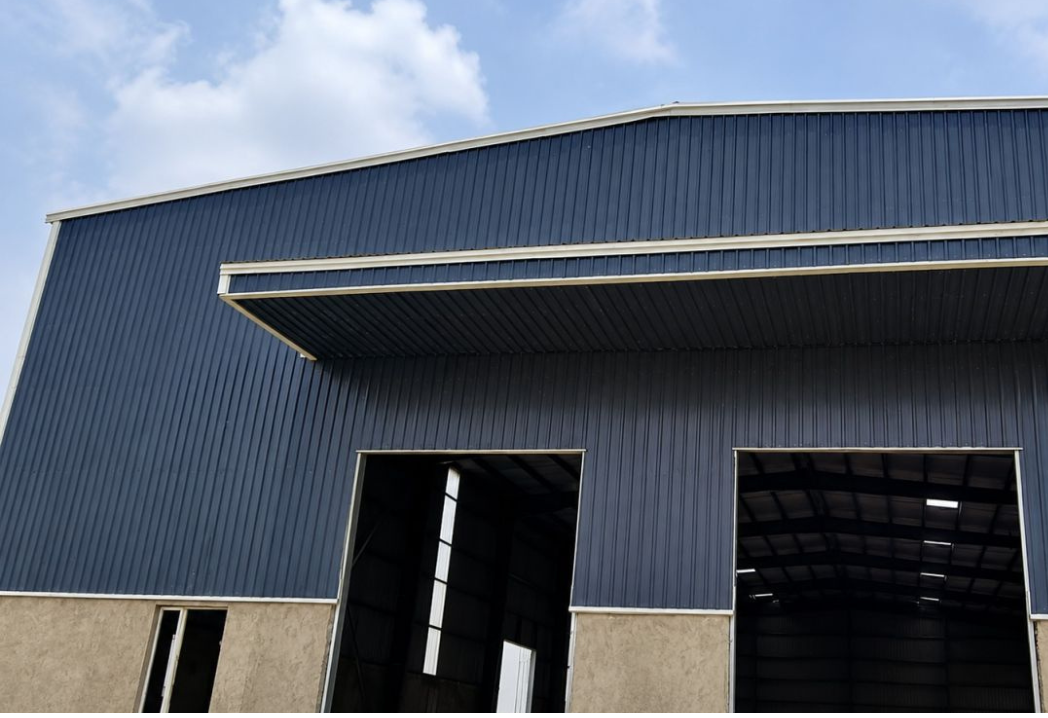
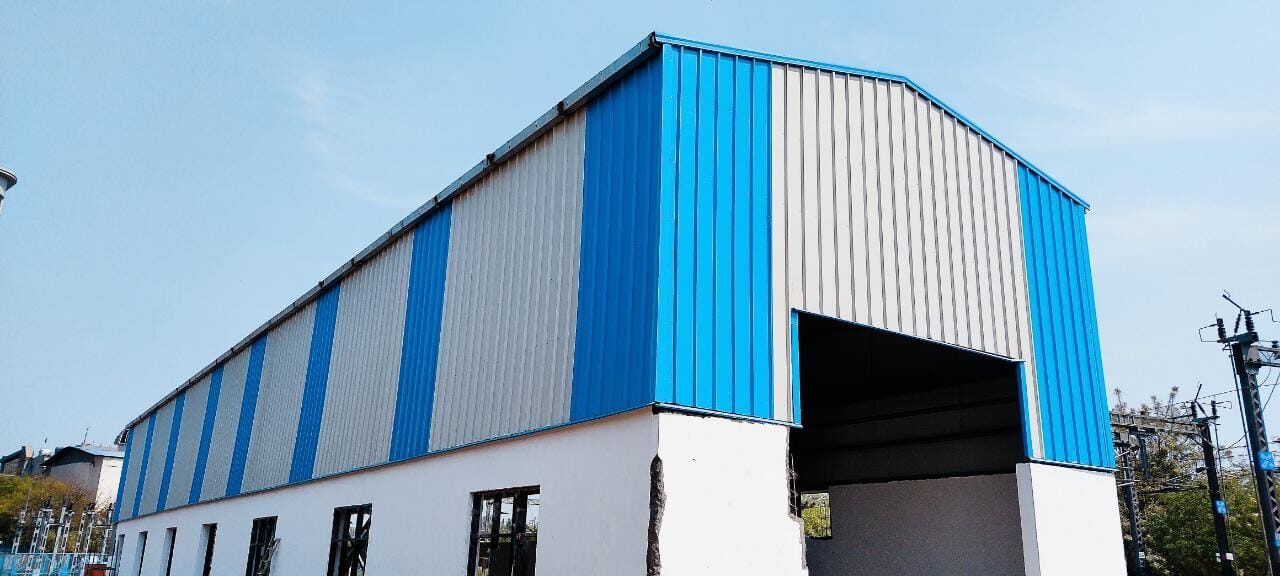
The construction industry is changing as businesses look for stronger, faster, and more cost-effective ways to develop industrial and commercial spaces. Traditional construction methods often require considerable on-site work, longer project timelines, and more labour. To overcome these challenges, many businesses are choosing modern steel construction solutions.
A Prefabricated Steel Structure is one of the most practical options for modern construction. It offers strength, flexibility, faster installation, and better control over construction quality. From manufacturing plants and warehouses to factories and large industrial facilities, prefabricated steel buildings are helping businesses create spaces that meet their operational requirements.
GMF PEB provides pre-engineered and prefabricated building solutions designed to support different industrial and commercial construction needs across India.
What Is a Prefabricated Steel Structure?
A Prefabricated Steel Structure is a building system in which the main structural components are designed, manufactured, and fabricated at a factory before being transported to the construction site for assembly.
Instead of manufacturing every component at the project location, most of the preparation is completed in a controlled environment. This makes the installation process more organised and reduces the amount of construction work required on-site.
A typical prefabricated steel structure may include:
- Primary steel columns and beams
- Secondary structural members
- Steel roof and wall panels
- Purlins and supporting components
- Mezzanine floors, where required
- Doors, windows, and other building accessories
Each component is designed according to the building’s size, purpose, loading conditions, and specific project requirements.
Why Are Prefabricated Steel Buildings Becoming Popular?
Businesses today cannot afford unnecessary construction delays. Whether developing a manufacturing unit or expanding warehouse capacity, completing a project on time is important.
This is one of the main reasons why the demand for prefabricated steel buildings is increasing.
1. Faster Construction Process
One of the biggest advantages of prefabricated construction is that manufacturing and site preparation can happen simultaneously. While the foundation work is underway, steel components can be fabricated at the factory.
Once the site is ready, the components can be transported and assembled according to the approved design.
2. Strong and Durable Construction
Steel is widely used in industrial construction because of its strength and structural reliability. Properly designed and maintained steel buildings can withstand demanding operating conditions.
The final structure is engineered according to applicable design standards, loading requirements, and site conditions.
3. Better Cost Management
Prefabrication allows manufacturers to plan material requirements and fabrication activities more accurately. It can help reduce material wastage, unnecessary labour, and delays associated with extensive on-site construction.
The overall project cost depends on factors such as building dimensions, steel specifications, design complexity, roofing, and installation requirements.
4. Flexible Building Design
Every industry has different space requirements. A manufacturing facility may need room for machinery, while a warehouse may require large open areas for storage and material handling.
A prefabricated steel building structure can be customised to suit these requirements. Additional features such as mezzanine floors, crane systems, ventilation arrangements, and specialised roofing can also be considered during the design stage.
Applications of Prefabricated Industrial Structures
Modern Prefabricated Industrial Structures are suitable for several types of industrial and commercial applications. Their flexibility makes them useful for both new construction and business expansion projects.
Manufacturing Plants and Factories
Manufacturing facilities require strong structures with sufficient space for machinery, production lines, equipment, and workers.
Prefabricated steel buildings provide flexible layouts that can be planned according to the manufacturing process and operational requirements.
Warehouses and Storage Facilities
Warehouses need large storage areas, efficient movement of goods, and proper space utilisation.
Steel structures can provide wide-span building layouts that support organised storage, loading, unloading, and distribution activities.
Industrial Sheds
Industrial sheds are commonly used for workshops, engineering units, fabrication facilities, and production areas.
Prefabricated steel construction offers a practical solution for creating durable industrial spaces with customised dimensions and functional layouts.
Logistics and Distribution Centres
The growth of transportation, e-commerce, and supply chain operations has increased the demand for modern logistics facilities.
Prefabricated structures can help businesses develop warehouses and distribution centres with efficient layouts and scope for future expansion.
Commercial and Institutional Buildings
Apart from industrial applications, steel construction is also suitable for selected commercial and institutional projects, including offices, showrooms, educational buildings, hospitals, and multi-storey facilities.
Prefabricated Steel Building Structure vs Traditional Construction
Choosing the right construction method depends on the project’s purpose, budget, location, and design requirements.
However, prefabricated steel construction offers several practical differences compared with conventional construction.
- Construction time: Factory fabrication can reduce the amount of work required at the site.
- Quality control: Manufacturing in a controlled environment allows better monitoring of fabrication activities.
- Material efficiency: Accurate planning can help minimise unnecessary material wastage.
- Design flexibility: Building dimensions and structural arrangements can be customised.
- Future expansion: Steel building systems can be planned with future modifications and expansion in mind.
Traditional construction may still be suitable for certain projects. The right option should always be selected after evaluating technical and commercial requirements.
Important Factors to Consider Before Choosing a Steel Structure Manufacturer
Selecting the right manufacturer is an important part of any prefabricated construction project. A well-designed building requires proper engineering, quality materials, accurate fabrication, and professional installation.
Before selecting a manufacturer, consider the following points:
- Industry experience: Check the manufacturer’s experience with industrial and commercial projects.
- Design capabilities: Ensure the team can develop customised structural designs.
- Material quality: Understand the steel grades, specifications, and quality checks used.
- Project execution: Review the manufacturing, transportation, and installation process.
- Past projects: Look at completed projects to understand the company’s capabilities.
Working with an experienced team can make project planning and execution more organised.
Why Choose GMF PEB for Prefabricated Steel Structures?
GMF PEB offers modern pre-engineered and prefabricated building solutions for industrial and commercial requirements across India.
The company specialises in prefabricated structures, pre-engineered buildings, multi-storey steel buildings, and heavy steel fabrication.
Every project requires a different approach. From understanding the building requirements to design planning, material selection, fabrication, and installation, proper coordination plays an important role in achieving the desired results.
GMF PEB focuses on customised building solutions, structural strength, efficient project execution, and long-term performance.
Whether you are planning a factory, industrial shed, warehouse, or commercial facility, choosing the right structural solution can make a significant difference to your project.