Cities are growing rapidly, and with this growth comes the need for better roads, transportation facilities, public buildings, and essential services. People depend on well-planned infrastructure every day, whether they are travelling to work, using public transport, or accessing important public facilities. This is why public utility infrastructure and urban development have become important parts of modern city planning.
Developing reliable infrastructure requires more than just construction. It involves careful planning, suitable building materials, structural safety, and construction methods that can meet present and future requirements. Modern steel structures and prefabricated construction systems are increasingly being considered for infrastructure projects where strength, space efficiency, and faster execution are important.
What Is Public Utility Infrastructure?
Public utility infrastructure refers to the essential facilities and physical systems that support the daily functioning of communities and cities. These facilities help people access basic services and allow public organisations to operate efficiently.
Some common examples include:
- Water supply and treatment facilities
- Electricity distribution buildings and substations
- Public healthcare facilities
- Government service buildings
- Waste management facilities
- Public sanitation infrastructure
- Emergency response and service centres
- Community buildings and public facilities
These structures need t
o be designed according to their intended purpose, expected usage, safety requirements, and environmental conditions. A well-planned infrastructure project can improve service delivery while supporting long-term community development.
Understanding Urban Transport Infrastructure
Urban transport infrastructure includes the physical facilities and structural systems that make transportation within cities possible. It connects residential areas, commercial centres, industrial zones, and public facilities.
As urban populations increase, transportation systems need to handle more passengers and vehicles without compromising safety or convenience.
Important components of urban transport infrastructure include:
1. Metro and Railway Stations
Metro and railway stations are important public facilities that allow thousands of passengers to travel daily. These projects require carefully engineered structures, passenger circulation areas, platforms, roofing systems, and supporting facilities.
Steel structures can be useful for station roofs, large-span spaces, and other structural requirements where suitable engineering design is provided.
2. Metro Depots and Maintenance Facilities
Metro depots are essential for parking, inspecting, maintaining, and repairing metro trains. They require large covered areas, clear internal spaces, and strong structural systems.
Pre-engineered steel buildings can provide practical solutions for depot sheds and maintenance facilities, depending on the operational and engineering requirements of the project.
3. Bridges and Foot Over Bridges
Foot over bridges help pedestrians cross busy roads, railway tracks, and other transport corridors safely. Their construction requires proper structural planning, load calculations, material selection, and compliance with relevant safety standards.
Steel structures are commonly considered for such projects because they can provide strength while allowing flexible structural designs.
4. Bus Terminals and Public Transport Facilities
Bus terminals and transport depots require covered waiting areas, parking facilities, maintenance spaces, and passenger service zones.
A well-designed structural system helps make these facilities functional and suitable for regular public use.
How Pre-Engineered Buildings Support Modern Infrastructure Projects
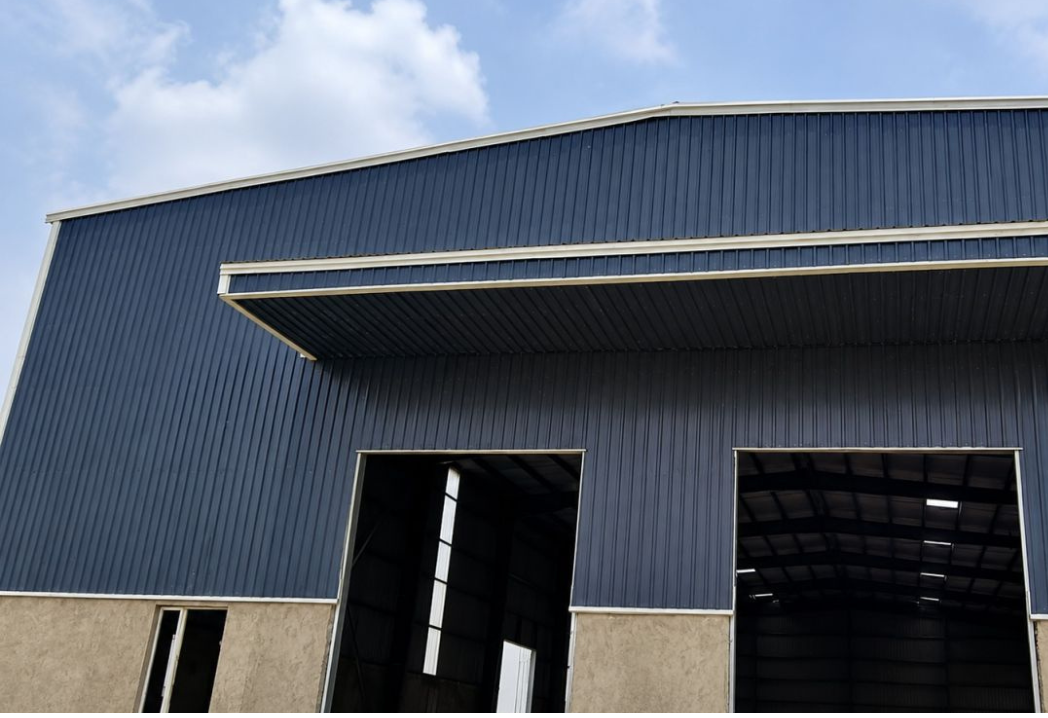
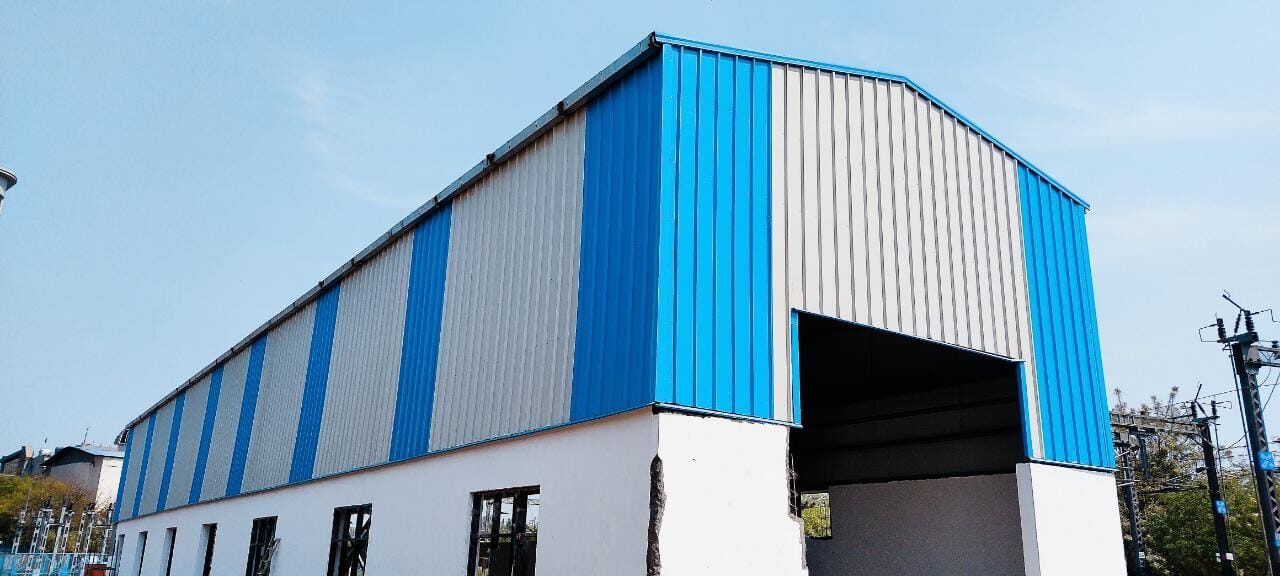
Traditional construction methods are not always the most practical choice for every infrastructure requirement. Projects involving large covered spaces, industrial-scale facilities, and transportation support buildings may benefit from pre-engineered building systems.
A pre-engineered building (PEB) is a structure whose major components are designed and manufactured before being transported to the construction site for assembly.
This construction approach can help improve project coordination and reduce the amount of work required at the site.
Here are some ways PEB systems can support infrastructure development:
Faster Project Execution
In infrastructure development, construction delays can affect the availability of important public facilities. Since many PEB components are manufactured before reaching the site, installation can be planned more efficiently.
This can help reduce construction timelines when design, foundation work, fabrication, and installation are properly coordinated.
Structural Strength and Durability
Steel is widely used in modern construction because of its strength and predictable engineering properties. Properly designed steel structures can support different load requirements and provide reliable performance.
Material quality, fabrication standards, corrosion protection, and regular maintenance all contribute to the durability of the finished structure.
Flexible Design Options
Every infrastructure project has different requirements. A metro depot needs a different layout from a railway station or a public service building.
Pre-engineered structures can be customised according to building dimensions, operational needs, roofing requirements, and site conditions.
Better Space Utilisation
Large-span steel structures can provide open internal spaces with fewer supporting columns where the design permits. This is particularly useful for facilities such as maintenance sheds, transport depots, and large public buildings.
Efficient Material Management
Factory-based manufacturing allows components to be fabricated according to approved drawings and specifications. This can improve material planning and help minimise unnecessary construction waste.
Important Factors to Consider When Planning Infrastructure Construction
Building public facilities requires careful attention to safety, functionality, and long-term performance. Before selecting a construction system, project developers should evaluate several important factors.
Structural design and load requirements: The building must be designed to handle expected dead loads, live loads, wind loads, and other applicable forces.
Site conditions and foundation design: Soil conditions, groundwater levels, drainage, and geographical factors should be considered before finalising the structural design.
Safety and regulatory compliance: Infrastructure projects must follow applicable building codes, fire safety requirements, accessibility guidelines, and relevant engineering standards.
Maintenance requirements: Protective coatings, drainage arrangements, inspections, and maintenance planning help preserve the structure over time.
Future expansion: Public facilities may need additional space as population and service requirements increase. Future expansion should be considered during the initial planning stage wherever possible.
The Growing Role of Steel Structures in Urban Development
Steel construction is becoming an important option for several types of modern infrastructure projects. Its design flexibility makes it suitable for different applications, including transportation facilities, industrial buildings, bridges, and large public structures.
For example, metro maintenance sheds require covered working areas, while railway stations need suitable roofing and supporting structural systems. Similarly, public buildings may require large-span halls and functional spaces.
In these applications, pre-engineered and fabricated steel structures can offer practical construction solutions when selected through proper technical evaluation.
The growing focus on organised urban development also creates a need for construction partners who understand structural engineering, fabrication quality, and project execution.
Why Choosing the Right Infrastructure Construction Partner Matters
The quality of an infrastructure project depends significantly on the planning, engineering, fabrication, and installation processes.
A reliable construction partner should understand the technical requirements of the project and provide solutions based on its actual purpose.
Important considerations when selecting a construction partner include:
- Experience in structural steel fabrication and construction
- Knowledge of pre-engineered building systems
- In-house design and engineering capabilities
- Quality control during manufacturing
- Understanding of project-specific requirements
- Coordination during fabrication and installation
- Commitment to structural safety and project specifications
Working with an experienced team can help ensure that the proposed building system is suitable for the intended application.
How GMF PEB Contributes to Modern Infrastructure Development
GMF PEB provides pre-engineered building, prefabricated structure, multi-storey steel building, and heavy steel fabrication solutions for industrial, commercial, and infrastructure-related projects.
Its areas of work include railway and metro stations, metro depots and yards, bridges, foot over bridges, and other large structural applications.
The company focuses on customised structural solutions, engineering, fabrication, and project execution according to specific project requirements.
For infrastructure developers and organisations planning new construction, selecting an appropriate steel structure system can be an important part of achieving functional and durable facilities.