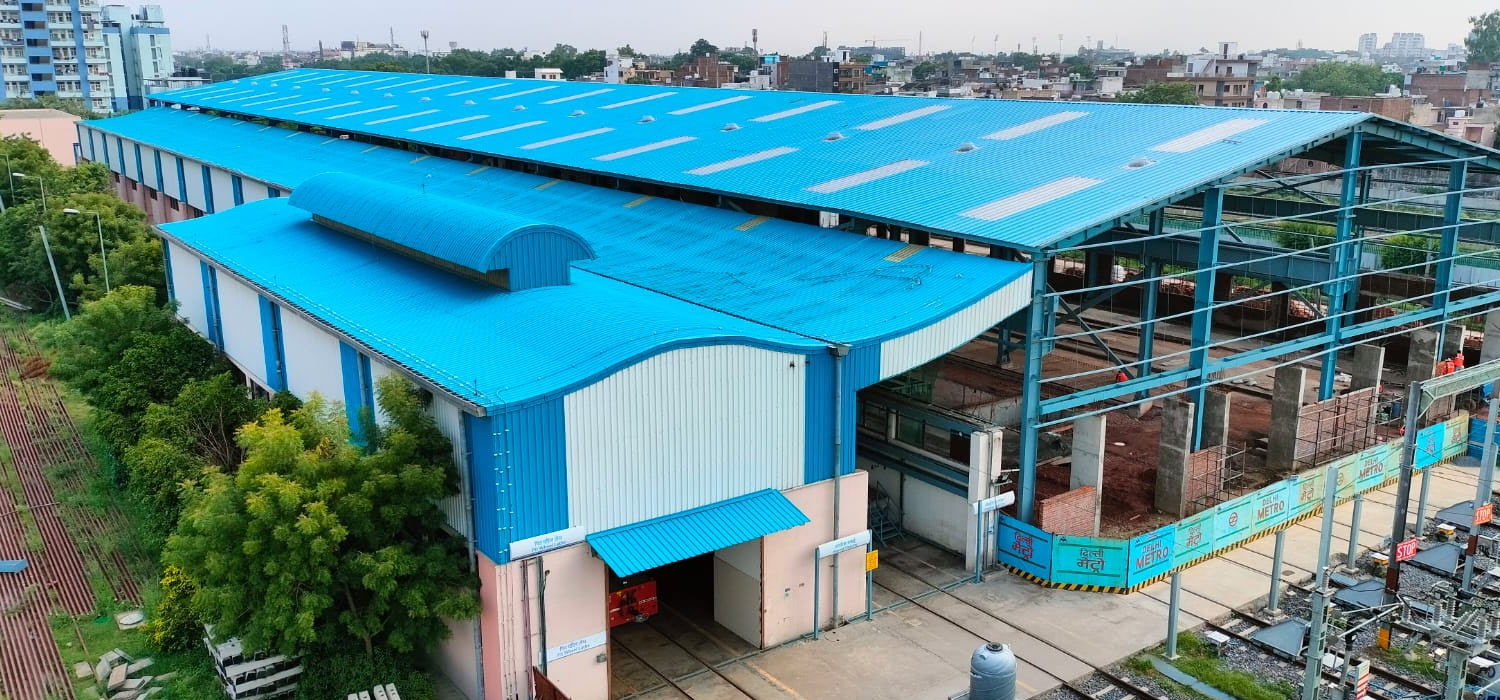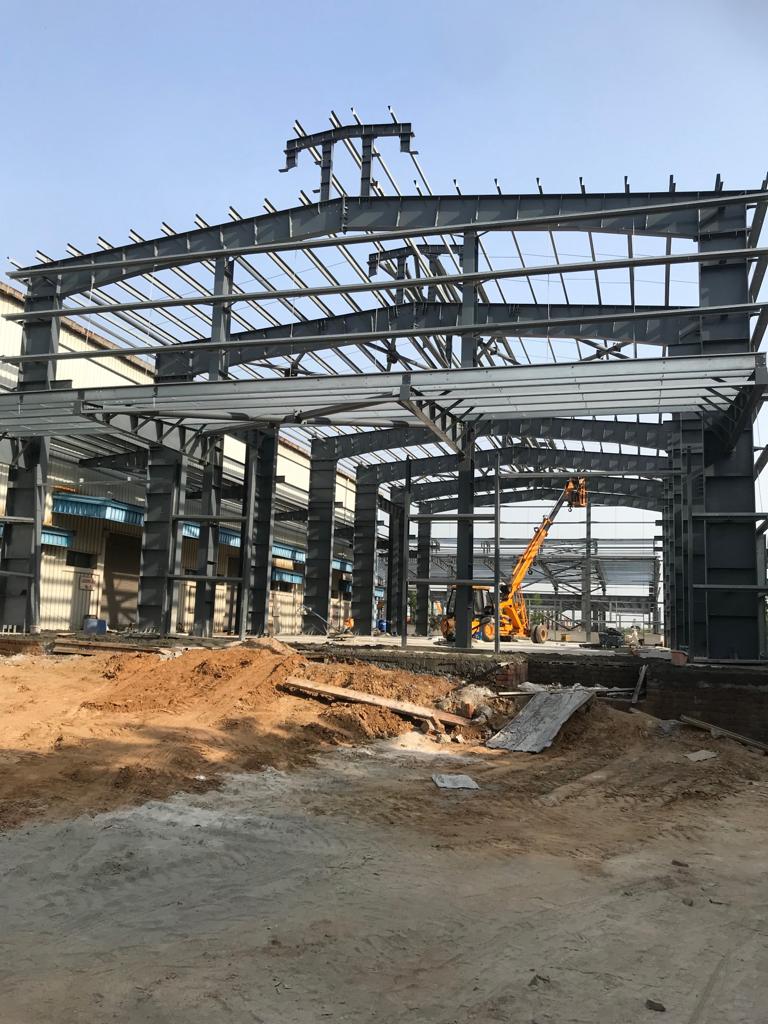
When a business starts looking for a new factory or warehouse, there are several things to figure out before construction even begins. How much space will be needed? How soon should the building be ready? Will it be possible to expand later if the business grows? And, of course, how much will the entire project cost?
These are not small decisions, especially when a company is investing a considerable amount of money in a new facility. This is one reason prefabricated buildings have become an option worth considering for businesses across India.
Instead of making every part of the building at the construction site, many of the components are prepared in advance at a manufacturing facility. They are then brought to the site and assembled. It is a different way of approaching construction, and for the right project, it can save both time and unnecessary effort.
Building Faster Without Rushing the Work
Anyone who has been involved in a construction project knows that delays can happen for all sorts of reasons. Materials may arrive late, weather conditions can interrupt work, and one unfinished task can hold up several others.
Prefabricated construction helps avoid some of these problems. While the foundation work is underway, the structural components can be manufactured separately. Once the site is ready, the assembly process can begin without waiting for every component to be made from scratch.
This can be particularly helpful for businesses that need to start production or storage operations within a planned timeframe. The actual time saved will depend on the project’s size and design, but having more work completed in advance can make scheduling easier.
A Warehouse and a Factory Do Not Need the Same Design
Think about a warehouse that handles hundreds of deliveries every day. It needs enough room for goods, vehicles and loading activities. A factory, on the other hand, may need space for heavy machinery, production lines and proper ventilation.
Both buildings need to be strong, but their layouts will be quite different.
That is why Prefabricated Buildings Manufacturers need to understand the purpose of a project before suggesting a design. The building should suit the work happening inside it, not simply look good from the outside.
Prefabricated construction can be used for factories, industrial sheds, warehouses, workshops and logistics facilities. Businesses can also plan for future expansion while the initial design is being developed. Making room for that possibility early on may be easier than modifying the building after operations have started.
Why Steel Is a Popular Choice
Steel works well for many industrial buildings because it offers strength without requiring an unnecessarily bulky structure. It can also help create large, open interiors, which are useful when a business needs space for machinery, storage racks or the movement of goods.
With properly designed Prefabricated Structures, many components are manufactured to specific measurements before reaching the site. This helps make installation more organised and reduces the need for repeated adjustments.
Still, the material alone does not determine how good a building will be. The quality of the steel, structural calculations, protective coatings and installation all matter. Regular inspections and maintenance are also important, particularly in areas where moisture and weather can affect exposed steel.
Finding a Manufacturer You Can Rely On
Choosing a manufacturer is not something businesses should decide on price alone. A quotation may appear affordable initially, but it is important to understand what it covers, including design, materials, transportation and installation.
When comparing prefabricated steel structure manufacturers india, take a closer look at their previous projects and manufacturing capabilities. Have they worked on buildings similar to yours? Can they explain the materials and structural design they recommend? Do they follow quality checks during fabrication?
It is also worth discussing the small details before work begins. Things such as drainage, ventilation, access points and the loads the structure must support can affect how useful the building will be once it is in operation.
A manufacturer who listens to these requirements and communicates clearly throughout the project can make the process considerably easier.
How GMF PEB Fits Into the Picture
GMF PEB offers building solutions for businesses looking to develop industrial and commercial facilities. Its work includes pre-engineered steel buildings, industrial sheds, warehouses, heavy steel fabrication and multi-storey structures, along with infrastructure projects such as railway and metro facilities.
Different projects call for different approaches, so understanding the client’s requirements is an important part of planning a suitable structure. For a busines