Why Multi-Storey Construction Is Rapidly Growing in Delhi NCR

Look at the NCR skyline today and you would realize that there is one very obvious trend which is we are building upwards. As land prices continue to rise and construction timescales become shorter, there is even more need to design a multi story building in Delhi NCR that is well planned. Developers are not simply seeking out the traditional types of construction buildings; they seek speed, accuracy, and value in the long-term. That is where modern prefabricated buildings are altering the game.

The New-Age Shift Toward Prefabrication

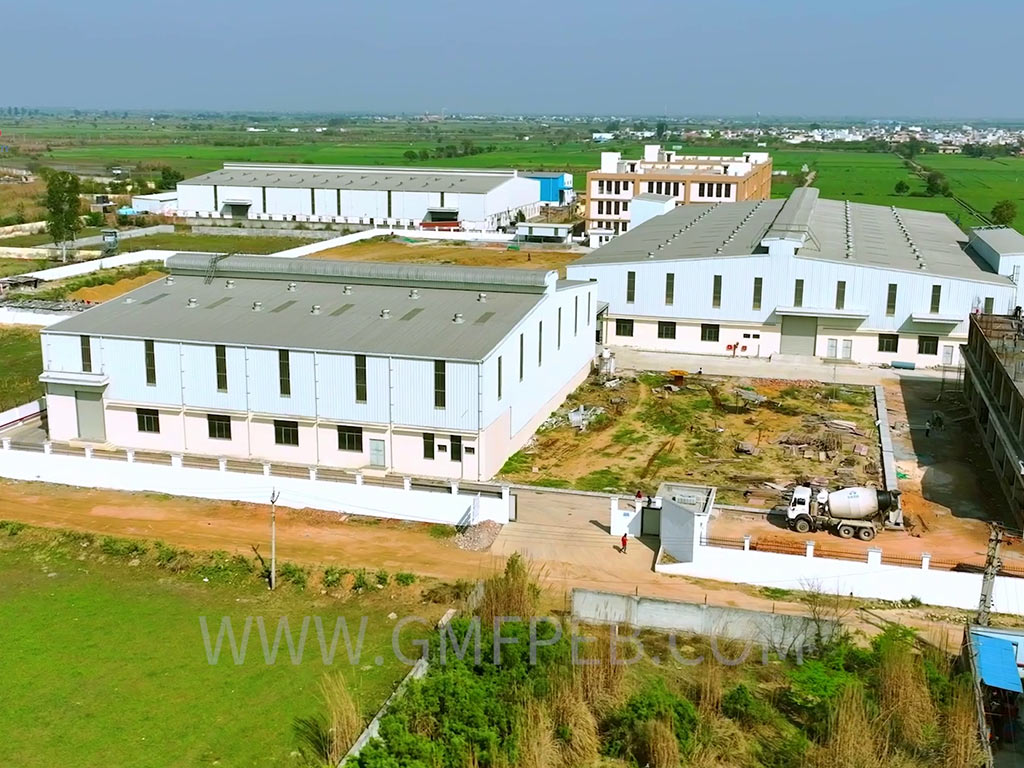
Construction does not remain restricted to dusty time-consuming sites. A Prefabricated multi story building in Delhi NCR,  includes a building, a large part of which has been created in a controlled plant and fitted at the project site. Such a strategy will not only reduce the construction cycle but also enhance the quality since all components are properly engineered. Reduced delays, reduced wastage, improved planning, it is a win on all fronts..

Built for Strength, Designed for Performance

Safety, however, is nothing without speed, particularly when it comes to multi-level structures. The multi story prefab building in Delhi NCR is designed to be lightweight but very strong. These structures are adapted to accommodate massive loads, environmental pressure, and even earthquakes, which is significant to high rise development in this area. Meanwhile, they can also be applied to a broad variety of applications, including commercial offices and hospitals, as well as residential and institutional projects.

Flexibility That Supports Future Growth

Prefab construction is easily adaptable to change, which is one of its most convenient benefits. Business growing? Need another floor? Would you like to refit the layout? A contemporary multi story building in Delhi NCR enables all this without the hassle caused by traditional construction. This flexibility makes it an intelligent long-term investment and not a simple solution for quick building.

Saving Time, Optimizing Costs

Time is money in property and infrastructure – and prefabrication understands that. Because one fabrication and site preparation occur concurrently, the project delivery becomes significantly quicker. Cost control can be attributed to reduced labour requirements, minimal rework, and effective use of material. Lower maintenance and energy efficiency are even more valuable as the building gets older.

Comfort Matters Too

Modern buildings are not only about the building, but also about the way in which people feel in the building. A prefabricated multi story building in Delhi NCRwould have better temperature control and reduce sound with proper insulation systems. In an climate such as that of NCR, where summers are sweltering, and winters may be unexpectedly cold, this would mean actual savings in operation and better comfort.

Contemporary Design Without Limitations

It is a popular myth that prefab buildings are boxy or industrial. That’s no longer true. The designs today enable tasteful facades, contemporary elevation, and extremely customized layouts. A multi story prefab building in Delhi NCR can be designed to suit the specific vision of the developer, whether it is a corporate look, an institutional feel, or a residential one.

The Role of the Right Manufacturer

Naturally, this is all contingent on the project owner. The selection of a multi story building manufacturer in Delhi NCR ensures makes design, engineering, fabrication and installation of the building are coordinated. The proper expertise is the difference between a reliable and future-ready building, from structural accuracy to on-time delivery.

A Smarter Way to Build for the Future

The demand to develop faster and more sustainable building techniques is only going to rise as NCR keeps growing. Prefabricated multi-storey buildings suit all the right boxes – speed, scalability, durability, and efficiency. It is not a mere fad, but a change in the way modern India is being constructed.

At this dynamic construction scene, MECHFAB is also a part of this trend, to engineered solutions, based on performance, quality, and flexibility – contributing to the development of structures that are prepared to meet the needs of tomorrow.

The Rising Demand for Prefabricated Multi-Story Structures in Delhi NCR and Gurugram

Delhi NCR and Gurugram construction landscape is changing at a high rate with businesses and developers seeking rapid, more economical and scalable building solutions. Conventional construction techniques tend to fail against short project schedules, increasing material prices, and the escalating need to have versatile infrastructure. This is where current prefabrication is changing the industry, particularly in the creation of a multi story building in Delhi NCR.

Prefabricated construction has become an intelligent choice for industrial, commercial, and institutional project work. The integration of precision engineering and off-site manufacturing also leads to high quality, short construction time, and minimal wastage. A prefabricated multi story building in Delhi NCR is increasingly becoming the preferred choice of developers in light of the growing infrastructure requirements of the region.

Why Prefabrication is Gaining Popularity

Speed is one of the main factors that contribute to the change toward prefab technology. Structural components are produced under controlled factory conditions and installed on site thus cutting down project schedules to a considerable extent. That is why prefab solutions can be used in warehouses, commercial complexes, industrial units, and in offices.

Cost effectiveness is another significant benefit. Prefabrication minimizes labor reliance, material wastes and delays on site leading to optimized project budgets. This approach has no substitute value in high-growth areas such as Gurugram, where time and space are both important.

Moreover, prefab buildings are also characterized by longevity, strength, and flexibility. It may be vertical expansion, a wide clear span, or even laid-out patterns, but these buildings can be adjusted to meet special operational needs.

The Growth of Multi-Story Prefabricated Structures in Gurugram

Gurugram is one of the fastest-growing business centers in India, which has experienced a significant rise in the demand of modern construction solutions. Industrial parks, IT zones, logistical complexes, and commercial projects also need an effective vertical design that can be completed in a short time with no loss of quality.

This has created a boom of multi story prefaprefabricated structures in Gurugram, which aim to make maximum use of the land area without compromising on structural solidity and the aesthetic value. These structures are designed to support large loads, offer extended lifespan and accommodate future growth.

prefab structures in Gurugram have started to become very popular from corporate offices to manufacturing units since they are capable of meeting international construction standards and are also environmentally responsible.

Applications Across Industries

Multi-story buildings, which have been prefabricated, are no longer restricted to industrial applications. They are now used in:

  • Commercial office spaces
  • Educational institutions
  • Health centers and hospitals.
  • Warehousing, logistics hubs.
  • Retail and mixed-use projects.

Such buildings have superior thermal performance, fire resistance, and seismic stability, which makes them fit the urban setting such as Delhi NCR.

Sustainability and Smart Construction

Another reason that has led to prefabrication adoption is sustainability. Controlled production in factories minimizes the dust, noise and wasting of materials in construction sites. Prefab buildings are environmentally responsible because they use energy-saving materials and steel parts that can be recycled.

Prefabricated construction offers a sustainable and performance-balanced solution to businesses that want to align themselves with green building practices in the future.

Choosing the Right Manufacturing Partner

The expertise of the manufacturer is one of the key elements of the success of any prefab project. Gurugram has experienced prefabricated building manufacturers in Gurugram with advanced design capabilities, high quality materials and precise engineering.

A professional prefabricated structures manufacturer in Gurugram , covers the conceptual planning and structural design, fabrication and on-site construction, providing a seamless process and maintaining the quality. This capacity of providing industry specific solutions is important in their realization of long term value.

A renowned company such as MECHFAB devotes itself to the provision of engineered prefab solutions satisfying the current construction needs and adhering to the high standards of quality and timely delivery of the project.

The Future of Urban Infrastructure

As urbanization rates rise and land prices increase, vertical living with prefabricated systems will become the new standard in Delhi NCR and Gurugram. Businesses are seeking structures that are not only powerful and scalable, but fast to put up and affordable.

The increased use of prefabricated construction method to erect a multi story building in Delhi NCR is an indication of a broader change towards more intelligent construction technologies. Prefabricated multi-story buildings will be crucial in the development of the skyline of the region as industries keep growing and infrastructure needs grow more intricate.

Prefabrication is transforming the ways modern buildings are built and designed. It is the preferred choice in modern-day projects due to its capacity to provide speed, strength, sustainability, and flexibility. As more people demand a prefabricated multi story building in Delhi NCR, and more demand better multi story prefaprefabricated structures in Gurugram the construction industry is evidently moving towards efficient factory-built solutions.

Through accessible collaboration with established manufacturers of prefabricated buildings in Gurugram, companies may attain high-performance infrastructure ready to encounter the challenges of tomorrow, and at the same time, meet the current deadlines.

Powering Large-Scale Industrial Development with Heavy Steel Structures in Noida

Noida has evolved into a high-performance industrial ecosystem with speed, scale, and structural reliability playing key roles. Since manufacturing clusters and warehousing areas to high-load processing facilities, the heavy steel structure in Noida has been directly connected to the rapid infrastructure development in the area and has necessitated buildings that can withstand the high load of operations.

Compared to traditional construction, heavy steel structures are designed to facilitate large spans, heavy crane capacity, multi-level production layout and heavy equipment loading – and deliver quicker project execution. It is the reason they become the choice of structural solution in modern industrial facilities.

Why Noida’s Industries Depend on Heavy Steel Structures

Noida industrial projects are hardly small and stagnant. Facilities have to provide:

  • EOT and gantry cranes
  • Foundations of heavy machinery.

High storage racking systems.

  • Large column-free manufacturing space.
  • Future expansion plans

These requirements cannot be fulfilled effectively using a typical building system. This is the point where the industrial heavy steel structures in Noida industries are essential. They are engineered on the basis of accurate load and calculations, efficient steel sections, and advanced fabrication techniques to provide maximum strength with minimum structural weight.

The outcome is a structure that can be reliably operated under constant operational load and still last long.

Engineered for High-Load Industrial Applications

All the heavy steel structure for industrial buildings in Noida is created according to the functionalities of the facility. The structural design takes into consideration:

  • Crane load and hook height
  • Impact loads and equipment vibration.
  • Mezzanine floor integration.
  • The requirements are ventilation and natural lighting.
  • Seismic and wind load compliance.

Important structural components are constructed columns, heavy rafters, crane runway structures, bracing structures, and high-strength connections. These parts are made in precise components to ensure that on-site assembly becomes quicker and that the alignment is accurate, a significant benefit in time-constrained industrial work.

Speed of Construction: A Major Business Advantage

Project delays in the competitive industrial setting of Noida have direct effects on the production schedule and revenue. A professionally done heavy steel structure in Noida can save a lot of time in construction, as it:

  • Fabrication occurs at the same time as foundation work is being done.
  • Components are manufactured in ready-to-install forms.
  • The minimum wet construction is needed.
  • Extensive spaces can be set up within a shorter time.

This enables industries to begin operations sooner and accrue faster returns on investment.

Flexibility for Future Expansion

Scalability is one of the most feasible benefits of industrial heavy steel structures in Noida . Production increases often lead to an increase in industrial units. Steel structures allow:

  • Easy extension of bays
  • Addition of crane systems
  • New floors or platforms integration.
  • Layout alteration without significant demolition.

This versatility renders them an asset as opposed to the one-time construction solution.

Performance in Harsh Industrial Environments

The environments in industrial buildings require structural strength, heat, dust, vibration, heavy movement, and exposure to weather. A heavy steel structure for industrial buildings in Noida provides:

  • High strength-to-weight ratio.
  • Anticorrosive finishes.
  • Minimal maintenance needs.
  • Time dimensional stability.

These aspects make it perform consistently even in challenging production conditions.

Choosing the Right Heavy Steel Structure Manufacturer in Noida

A high-quality steel heavy building not only requires design but also fabrication capacity and execution of projects. A reliable heavy steel structure manufacturer in Noida is bringing:

  • Internal engineering and finishing.
  • High-end CNC cutting and welding machines.
  • Tough quality inspection.
  • Integrated logistic and erection planning.

This combined solution makes sure that the structure is accurate, it is delivered quickly and the site performs well.

The MECHFAB provides heavy steel structures that are not built on standard templates, but on actual industrial specifications. Projects are also effective and sustainable by harmonizing structural design and operational requirements.

Supporting Noida’s Industrial Future

The demand of high-performance structural systems will only grow as Noida keeps drawing mega manufacturers, logistics and infrastructure. Companies can no longer afford to find a building, but they want a building that improves their productivity, heavy operations and changes with growth.

This is why the heavy steel structure in Noida remains high in sectors. These structures offer the strength, scale, and speed needed by contemporary industry, while minimising the cost and schedule of construction.

A heavy steel structure is not merely a construction option in a region where industrial growth is ongoing and where high standards of performance are the mandate but is also a long-term investment in operational excellence.

How Pre Engineered Buildings Are Powering Agra’s New Industrial Identity

Agra is silently changing its structure. Besides tourism and handicraft, warehousing, light manufacturing, food processing, footwear, packaging, and logistics are emerging at a very rapid pace in the city. Its tactical location on the Yamuna Expressway and its proximity to NCR has made it convenient as a business destination in the sense that it has minimized operation costs that would have otherwise required the business to travel quite a distance to access large markets.

This change has generated a great need to have a faster and more efficient construction – and that is precisely why pre engineered building in Agra is emerging as the thumbs up to new industrial and commercial projects.

The Challenge With Conventional Construction in a Growing Industrial City

Conventional RCC constructions are usually unable to keep pace with modern business demands of speed. In the growing industrial pockets of Agra, the time wasted during construction has a direct impact on production time, lease cycle and breakeven.

A factory built in 14-18 months puts machinery installation, staff onboarding, and money generation on hold.

This is where pre engineered steel buildings in Agra are changing the game. They are fast and do not compromise on strength and the businesses can be operational in a fraction of time.

Why PEBs Make Practical Sense for Agra’s Business Ecosystem

The industrial development of Agra is mainly fuelled by mid-sized enterprises, i.e. businesses that require:

  • Affordable construction
  • Quick possession
  • Expansion flexibility
  • Poor maintenance infrastructure.

A peb building in Agra can meet all these requirements since it is not merely a structure, but it is a productivity-based property.

For example:

A shoe company establishing a manufacturing facility does not require several inside columns. They require a broad open assembly floor. This is achievable by PEB clear spans.

A logistic operator along the expressway requires a huge storage space with appropriate ventilation and loading bays. Premade buildings can be built specifically to serve this purpose.

Designed for Agra’s Climate and Land Use Patterns

Agra experiences:

  • High summer temperatures
  • Seasonal humidity
  • Dust-heavy industrial zones

Modern pre engineered metal buildings in Agra may be engineered with:

  • Heat extinguishing ventilators.
  • Insulated roofing systems
  • Clear roofs with large airflow.
  • Skylight natural lighting.

This greatly minimizes reliance on artificial air conditioning and lighting systems- a significant operational gain to plants and warehouses operating in long working hours.

Faster Expansion for Growing Businesses

One of the biggest advantages for industries in developing zones like Foundry Nagar, Sikandra, and areas along the Yamuna Expressway is scalability.

A conventional building locks the business into a fixed layout.

A pre engineered building in Agraon the other hand, allows:

  • Future bay extensions
  • Mezzanine additions
  • Crane system integration
  • Easy wall panel modifications

So when production demand increases, the building grows with the business.


Scalability is one of the greatest benefits of industries in developing areas such as Foundry Nagar, Sikandra, and along the Yamuna Expressway.

A conventional building commits the business to a fixed plan.

A pre engineered building in Agra, on the other hand, permits:

  • Future bay extensions
  • Mezzanine additions
  • Crane system integration
  • Simple wall panel adjustments.

Therefore, as the business grows, the building expands in line with the production demand.

Cost Efficiency Beyond Initial Construction

The first consideration to be made by most businesses is the construction cost. But intelligent industrial planning takes into account the lifecycle cost.

You get with pre engineered steel buildings in Agra:

  • Reduced the cost of the foundation as light.
  • Less repair and maintenance.
  • Quicker setup= sooner revenue collection.
  • Ventilation and insulation for energy savings.

This renders the overall ownership cost quite below that of conventional buildings.

Supporting Agra’s Logistics and Warehouse Boom

As e-commerce penetration increases in Tier-2 cities, Agra is turning into a distribution center to the nearby areas. The demand in warehousing is changing towards temporary sheds to engineered high-performance structures.

A peb building in Agra has been designed to offer:

  • Higher stacking height
  • Improved planning of truck movements.
  • Dock integration
  • Storage is weather-resistant.

Such characteristics directly influence logistic efficiency.

Engineering Expertise Matters

PEB project success relies on the accuracy of the design, calculation of loads and fabrication as well as the planning of the erection on-site. Practised manufacturers such as MECHFAB specialize in providing structures that are quick to install as well as designed to provide long-term industrial performance.

Since in practice, a badly made PEB is as ineffective as a badly constructed conventional construction.

The Future of Industrial Construction in Agra

Agra is at a point where land is precious, time is shorter, and competition is more intense. Companies can no longer afford slow and rigid ways of construction.

That is why pre engineered metal buildings in Agra are not only a fad but the backbone of the next stage in the development of the industrial city.

They fit the requirements of the enterprises of the day:

  • Speed.
  • Scalability.
  • Operational efficiency.
  • Long-term value.

Why Prefab Warehouses Are the First Choice for Modern Logistics and E-commerce

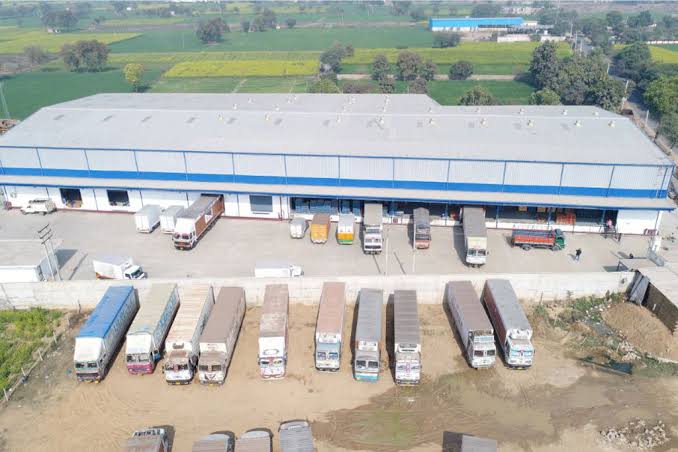
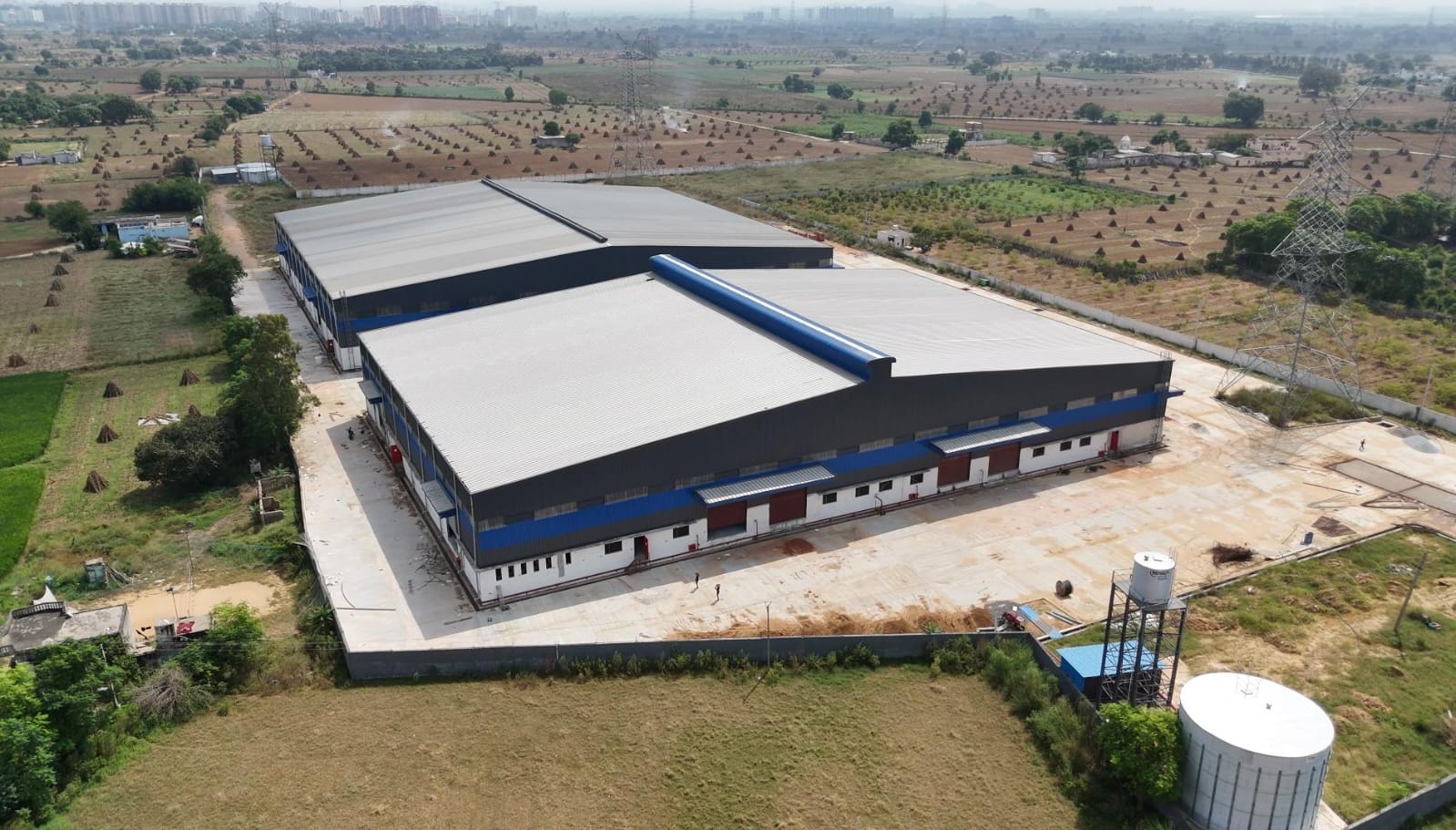
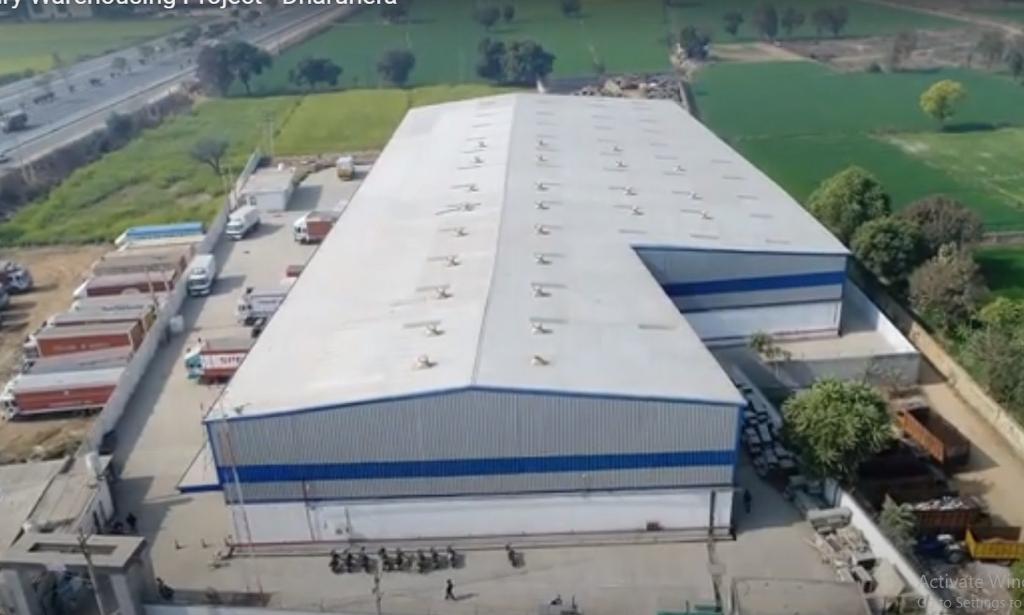
Over the past few years, warehousing has evolved rapidly: increased throughput, shorter delivery windows, and the necessity to scale more space without halting operations. This is why steel pre-engineered buildings (PEBs) have become the one-stop solution to modern logistics and industrial storage. A prefabricated warehouse building is not temporary construction; it is a factory-optimised structure that is fast, accurate, and consistent.

Why PEB warehouses win on time and predictability

In a traditional construction, most tasks are performed in sequence on-site. In PEBs, site preparation, fabrication, and design occur simultaneously. Structural members are fabricated under controlled environments, shipped to be assembled by bolts in the field, a process that minimises rework at the site and material waste and condenses the construction timeline. General cost savings in large-span warehouses, many industry experts also report, are due to optimization of steel use and less labour time on-site.

Anatomy of a warehouse PEB

In order to analyse any warehouse peb structure, it is useful to know the key elements. The majority of systems are structured around:

  • Primary framing (major rigid frames/columns/rafters which support significant loads)
  • Secondary members (purlins, girts, and bracing that support cladding and give stability)
  • Wall and roof sheeting, insulation choices, skylights/ventilators, and accessories.

This modular design enables easier matching of engineering with functional requirements such as clear internal spans of racking, mezzanine, crane provisions, dock canopies or future bay expansions.

Operational advantages you feel every day

The prefab warehouse to be designed is not just about building faster. It’s about running better:

  • Clear-span interiors enhance the forklift movement and racking schemes.
  • Lighter superstructures have the potential of lowering foundation requirements (project-specific).
  • The process of expansion is easier: it is often easy to add length bays or annexes without causing much disturbance.
  • Steel can be easily recycled and insulated panels can assist in alleviating cooling demand in hot climates.

What drives cost (and how to control it)

In addition to floor area, there are clear height, bay spacing, design loads (wind/seismic), crane considerations, roof slope, insulation thickness, dock considerations and fire-safety considerations. Site issues are also important: foundations and erection logistics might be affected by the site’s bearing capacity, drainage, and accessibility of trailers and cranes. Optimum results are achieved when the warehouse layout, racking plan, and MEP routing are locked; early-late changes will carry over into frame weight, cladding quantities and connection detailing.

What to ask before you sign off

Not every PEB is the same thing and due diligence is an issue. In comparing PEB warehouse manufacturers, request:

  1. Design basis: wind/seismic assumptions and codes used (in India, it is common to design steel to IS 800:2007 plus appropriate loading standards).
  2. Connection detailing and corrosion protection (paint system/galvanizing where necessary).
  3. Material traceability, fabrication tolerances and weld quality controls.
  4. Cladding and insulation requirements (U-values, fire performance, condensation control).
  5. Bolt tensioning, alignment, and plumb checklists and methodology.

A practical path to the right solution

Begin by writing down your type of storage (pallet racking, bulk, cold chain, FMCG, auto parts), target clear height, bay separation, and docking plan. Then take a partner who can design about your operations–not bend your operations to the building. MECHFAB maintains the emphasis on engineered efficiency: design that predicts growth, steel optimization, and a clean, maintainable envelope, so your warehouse works on day one and remains flexible over the years.

Prior to fabrication, verify GFC drawings, anchor-bolt plans, and approval timelines. When a coordinated checklist is used, it helps your team to stay on schedule and avoid any surprises.

Why a PEB Factory Building Is the Backbone of Fast-Growing Manufacturing Units

Within manufacturing, the building is not merely a physical facility; it is a productivity device. The layout determines the flow of materials, the installation of machines, the level of safety of teams to work, and the speed of scaling. This is precisely the reason as to why more industrial enterprises are leaving behind the traditional construction and investing in a PEB factory building, which is constructed around performance rather than space.

Built for workflow, not just walls

Conventional factory construction usually compels production teams to adapt their process to the building. The opposite is the case with a pre-engineered solution. It begins with your operational flow, which is raw material entry, machine placement, assembly lines, storage, dispatch, and then develops a structure to support it.

Large clear spans, higher roof and crane-ready designs provide manufacturers with continuous floor space. That translates to easier flow of goods, enhanced safety areas and increased output per square foot. Here is where a seasoned factory shed manufacturer can really come in–by knowing how to make the steel prior to designing.

Faster project completion, earlier production

Each month a factory is still under construction is a month of lost income. Speed is one of the largest benefits of a prefab factory building. The components are designed and manufactured beforehand; thus, on-site work is an assembly process rather than a complete construction cycle.

This reduces:

  • Project uncertainty
  • Weather delays
  • Material wastage
  • Labour dependency

More to the point, it enables businesses to commence their operations sooner and recuperate their investment more quickly.

Designed for heavy industrial performance

Factories are not easy to carry. They require structures that are capable of managing:

  • EOT cranes
  • Heavy machinery loads
  • Continuous vibration
  • Heat and ventilation specifications.
  • Future expansion

A properly developed industrial prefabricated factory shed takes into account these loads. With structural stability to roof insulation and natural ventilation, each component works to the advantage of improved working conditions and increased building life.

Lower lifetime cost, not just lower construction cost

Intelligent manufacturers no longer just consider the initial construction price. They evaluate:

  • Maintenance requirements
  • Energy efficiency
  • Expansion flexibility
  • Downtime for repairs

Optimised steel sections and high-quality coatings usually used in pre-engineered buildings minimise long-term maintenance. Planning of roof daylight and ventilation can reduce energy use by a large margin. And as the need to expand arises, the modular design will make it easy to extend without disrupting the current operations.

A scalable asset for a growing business

Expansion can be sudden, yet your factory must be prepared. PEB structure can be used to facilitate the expansion of a new production line, expansion of storage, or the incorporation of automation without a significant demolition or redesign.

This is not only a building, but a business asset.

Choosing the right execution partner

The engineering depth, the quality of fabrication, and the plan of erection determine the success of a factory project. Every detail counts, whether it is the state of soil, crane capacity or future load supplies.

MECHFAB adds value there, in that it sees factory buildings as productivity infrastructure, not as mere steel structures.

How Prefabricated Structures Reduce Project Timelines and Costs for Modern Businesses

In the fast industrial and business environment in India, speed is important, but precision is also important. The reason steel structures constructed in factories under controlled conditions are taking the place of slow, weather-dependent site-fabricated techniques is because of this. By selecting pre engineered building solutions you are not purchasing a shed or a warehouse; you are purchasing a system that will squeeze schedules, eliminate rework and provide predictable quality.

What “pre-engineered” really means

A pre-engineered building (PEB) is designed and prepared in detail, and built by factory production, then assembled in place. A structural kit commonly contains primary members (columns and rafters), secondary members (purlins and girts), roof and wall sheeting, and ventilation/accessory items, designed to fit loads, spans, and local conditions. Since these parts are manufactured to specifications before going on site, they are assembled by bolting and sequencing them beforehand, which restricts improvisation and reduces congestion in the field.

Why businesses are shifting to factory-built steel systems

  1. Faster time to operation: When significant fabrication is done off-site, construction time can significantly decrease compared to that of a conventional construction. Other comparisons in the industry mention PEB delivery times of about 6-8 weeks compared to very long cycles in the traditional methods.
  2. Less waste, more value: The factory production enhances material optimisation and scrap reduction. Some providers, in the case of large-span warehouses, estimate overall savings within a 2025 per cent range compared to traditional practices due to less wastage and labour reliance.

The other benefit is sustainability: the embodied impact of the project can be reduced through optimisation of steel use and minimisation of site waste, and the time of generator use, water, and disruption of the neighbourhood can be shortened. Standardisation also enhances safety-reduced ad-hoc cuts and welds at height, increases repeatability in the bolt-up process, and tolerance control. That translates to quicker inspections and reduced punch-list surprises.

  1. Expandability and flexibility: Steel frames are modular. Require additional bay, additional dock, or additional mezzanine in the future? PEBs planned well can be expanded with minimal disturbance compared to most traditional systems.

From concept to commissioning: the modern workflow

The combination approach is the most successful:

  • Design & engineering: Early locking is done on load calculations, bay spacing, crane requirements (where needed), wind/seismic requirements, and drainage.
  • prefab manufacturing: Members are cut, drilled and endorsed in controlled conditions and panels and accessories are made ready to fit.
  • Logistics & erection: Parts are shipped in scheduled batches to be installed very fast, and the roof, cladding, doors, vents, and finish are added.

It is this streamlined chain that is why organisations considering the Prefabricated Buildings Manufacturers tend to favour those who have in-house design, fabrication and erection facilities because responsibility remains transparent to handover.

Where prefabrication shines

PEBs fit warehouses, industrial sheds, factories, logistical centres, cold storage, hangars, and large clear-span buildings, where quick-enclosure, durability, and future scalability are required.

Meanwhile, Prefabricated Structures are growing out of pure industrial applications into institutions, commercial properties and multi-purpose buildings as proprietors acknowledge the advantages of cleaner locations and more predictable schedules.

Getting it right: practical selection tips

Before finalising a vendor or design, verify:

  • Local wind/seismic proven engineering.
  • Protection against corrosion that fits your environment.
  • Panel, insulation, and ventilation options were made to match temperature and condensation requirements.
  • Clearly documented erection sequencing and quality inspections.

When done right, a PEB is no compromise; it is a smarter way to build. When you are considering factory-built steel and require an ally who knows how to execute the end-to-end, MECHFAB is a name to add to your short-list.

Building Faster, Smarter Warehouses with Modern Steel Logistics Buildings

The warehousing and distribution systems in India are developing at a rapid pace- driven by e-commerce, cold-chain development, and next-day delivery demands. The bottleneck cannot be the building itself in such an environment. This is why increasing numbers of developers and operators are considering the use of PEB logistic building solutions, which are designed to meet speed, scale and operational efficiency.

What makes pre-engineered logistics buildings different?

A contemporary pre-engineered metal building is created and produced in large part off-site in a regulated factory setting, and then exported to be assembled efficiently on-site. This method minimises site variability and assists in keeping projects predictable, an advantage in a tight timeline and with the ever increasing land costs.

Layouts in the logistics that facilitate flow are the largest wins: receiving, put-away, storage, picking, staging, and dispatch. Planned pre engineered logistic building may also be formulated with respect to clear spans, bay spacing, eave height, and roof slope to accommodate racking systems, forklift traffic, dock location, and future growth.

Why logistics operators prefer PEB for warehouses

1) No discontinuities in movement.

Logistics works well on open floor plates. Broad, clear spans will help in streamlining racking, automation and travel routes, particularly with the changing operations over time.

2) Rapid construction with reduced disturbance.

Since key structural components are also pre-fabricated and assembled on-site, the project timeline is often shortened compared to traditional approaches, which facilitates business start-up sooner and carries less cost.

3) Intended to be vertical efficiency.

Huge warehousing is becoming the norm. Facilities with high-bays are usually advised to maintain clear heights of approximately 10-12 meters with the goal of facilitating effective racking and automation. That vertical utilization can be designed into that prefab logistic building on day one, instead of retrofitting it later.

The anatomy of a reliable logistics structure

Smart engineering and the correct components make performance:

  • Primary framing (rigid frames, columns, rafters) supports core loads and transfers them to the foundation.
  • Secondary framing (girts and purlins) is used to support cladding and assist in the distribution of loads.
  • Envelope of roof and walls can be chosen based on climate, operating temperature, and energy objectives.

Where control of temperature is needed, such as with chilled storage or pharma or comfort-conditioned packing areas, insulated sandwich panels are popular. The panels have metal skins with an insulated core (usually polyurethane/PUF) to enhance thermal performance and save on energy use.

Designing for today—and for growth

A logistics facility is not fixed. With route optimisation, SKU profiles are modified, automation is enhanced, and dock patterns are adjusted. This is why the future-ready plan has to be the beginning of the best projects: column spacing that allows racking flexibility and dock positioning that minimises cross-traffic, and office/mezzanine integration that does not disrupt the primary workflow.

A PEB logistics structure, when properly implemented, can be more than a mere shell: faster commissioning, smoother operations, and less hassle in going global.

When you are considering the next warehouse and need a contemporary approach to building a logistics facility, MECHFAB is a company you should consider whenever you want a logistics building that focuses on speed, strength, and scalability.